Back to the Academy
Step 2: Finding the Right Property for a Log Home

Step 2

Finding the Right Property for a Log Home

Where you build shapes how you live every day. That’s why choosing the right property deserves patience and a plan.
4 min read
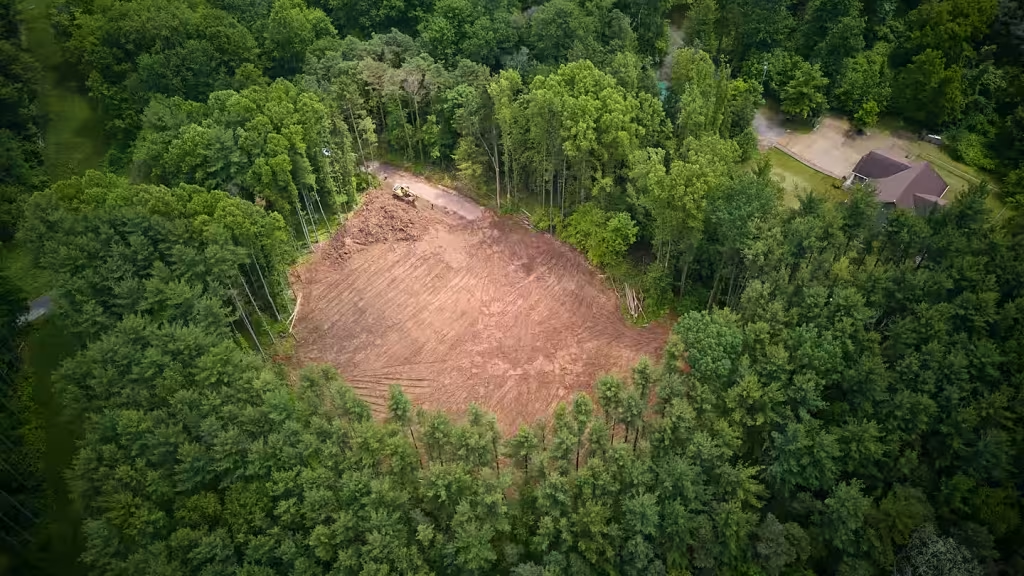
Aerial view of a cleared building pad cut into heavy woods, bare earth in the centre and a neighbouring house at the edge of the trees

Start with purpose and lifestyle

Before you look at listings, answer two questions: How will we use this home? Primary residence, weekend/vacation place, or future retirement home (or a mix—e.g., a vacation home that later becomes your retirement home).Where does it need to be to support our lifestyle? Think routine, not just scenery.

Primary residence

Keep family, work, and schools front and center. If two jobs are in different towns, the midway point may be smartest. School district quality and distance to activities matter if you have children.

Vacation home

Decide how far you’re truly willing to drive, regularly. Many people tire of trips longer than about an hour each way when it’s a frequent weekend routine. Closer to home = more use; farther out = often cheaper land.

Retirement home

Proximity to children/grandchildren, medical care, and everyday shopping tends to rise in importance. If specific hobbies matter (golf, fishing), include them in your location filter.
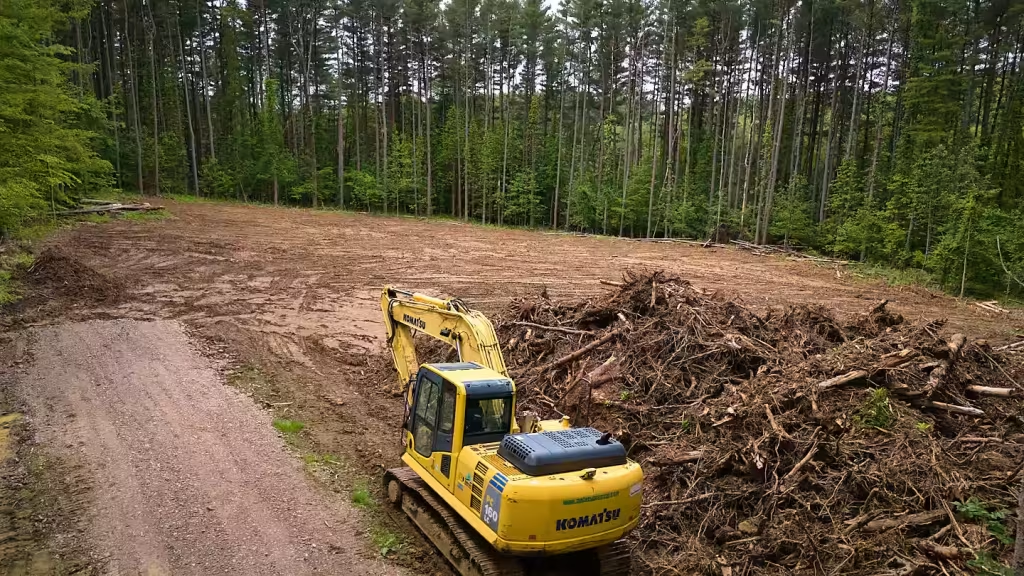
Excavator driving next to a brush pile next o a clearing in a forest of pine trees
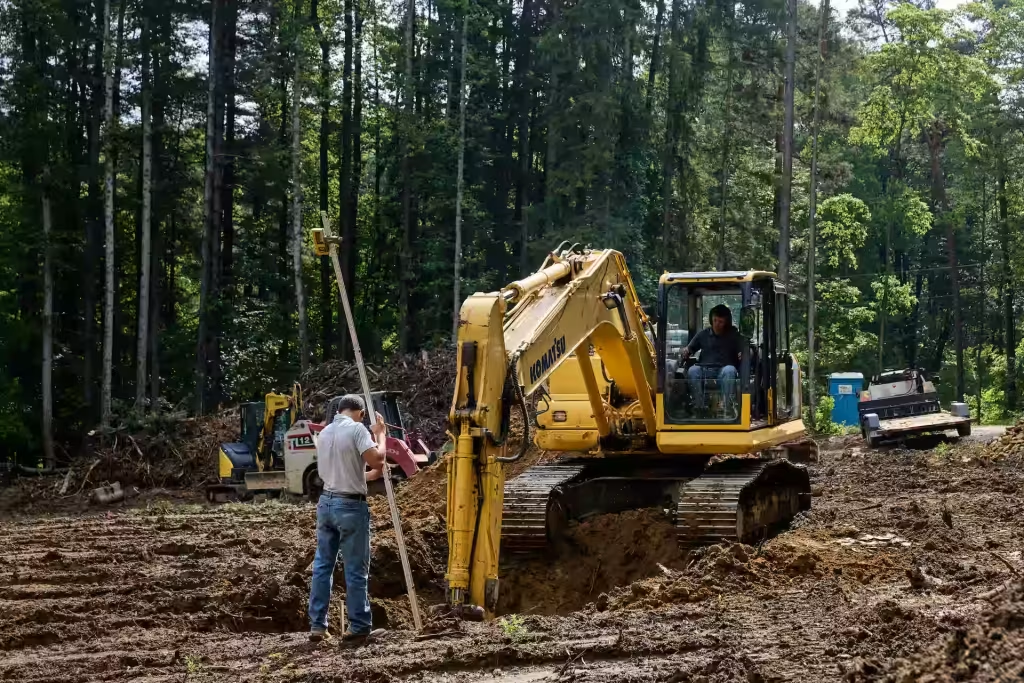
Workman guiding an excavator to dig a hole in a pine forest

Pick an Area With Day-To-Day Needs in Mind

As you narrow the map, consider practical distances to:

  • Church/faith community
  • Groceries, pharmacy, and general shopping
  • Fire department (affects insurance), EMS, hospital, dentist
  • Work hubs or airports
  • Favorite restaurants (yes—pizza delivery can matter!)
  • Recreation that you actually use (lake access, trails, ski hills)
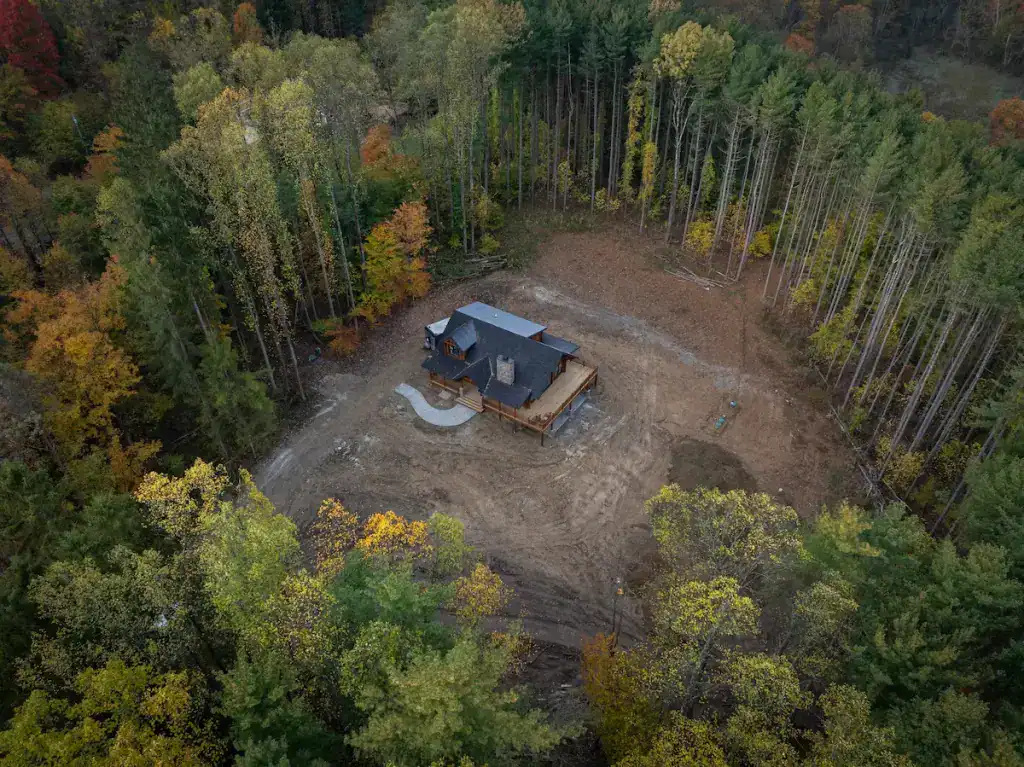
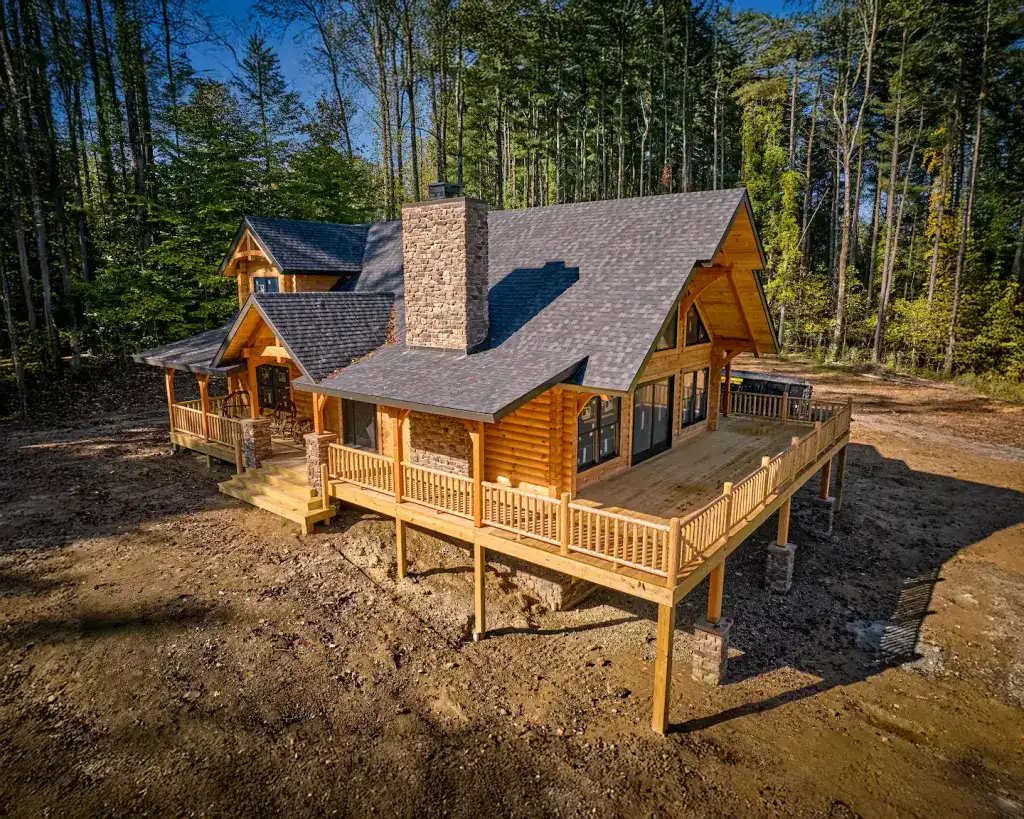
Aerial view of a log home under construction in a forested area.

Where to Find Land

Use several channels at once—good properties often sell before they’re widely seen.

  • Drive the area: Pinpoint areas that are more appealing to you. You may find a “For Sale by Owner” or upcoming auction sign.
  • Word of mouth: Tell friends, neighbors, tradespeople, and local business owners you’re looking.
  • Local banks: Ask about REO (bank-owned) or pre-listing opportunities.
  • Auctions: Approach with caution. Properties can get bid up, and buyer’s premiums (often ~10%) and fees may apply. Do your homework.
  • Classifieds: Still useful in some small markets, but often weekend-only and very local.
  • Online Search:
Pre-build Site Walkthrough
Full Screen

Always Walk the Land (Don’t Just “Street View” It)

Boots on the ground reveal realities—and surprises.

Topography & drainage

  • Does the slope support your plan (e.g., a walkout basement toward the front)?

Access & orientation

  • Is a driveway feasible (and approvable)?
  • Can you orient the home for views, solar gain, and wind protection?

Utilities

  • Electric, phone/data availability and distance to tie-in
  • Water: existing well quality or feasibility of drilling; if public, tap fees and line location
  • Sewer: public connection or septic suitability (see below)

Noise & seclusion

  • Peaceful setting vs. highway hum? Will you enjoy the level of privacy day after day?

Hidden issues (and hidden gifts)

  • Walk the back corners—don’t be disappointed later by a junk pile, old easement, or neighbor encroachment.
  • Also look for pleasant surprises—an unseen view or building site you can only discover on foot.

Due Diligence: Permits, Approvals, and Rules

Regulations exist to keep your home safe and your systems functioning. They vary by location; expect more layers closer to larger cities.

Permits & agencies that may be involved

  • Zoning and building departments
  • Health department (septic approval)
  • County engineer / road department (driveway permits)
  • State DNR, Soil & Water, EPA/Army Corps (wetlands, waterways)
  • Fire department (access, water supply requirements)

Septic & water contingencies (strongly recommended)

  • If there’s no sewer or water, you may want to make your purchase contract contingent on septic approval and water availability.

Deed restrictions, liens and HOAs

  • Subdivisions and rural communities may regulate:
    ‍

    • Minimum house size
    • Roof type/materials
    • Fencing and landscaping standards
    • Road frontage minimums
  • Deed restrictions can limit outbuildings, livestock, RV storage, etc. Read them and decide if the trade-offs are worth it.
  • Have an attorney conduct a title search to check for existing liens and confirm mineral rights ownership. Both can affect your investment and your plans for the property.
  • Utility, access, or drainage easements may already exist on the land. Understand where they run and whether they’ll interfere with your home placement, outbuildings, or outdoor structures before you commit.

Neighbors & neighborhood fit

  • If seclusion is your dream, check how close future builds could be.
  • In covenant-controlled communities, confirm you’re comfortable with architectural controls.

Mindset for the Search

Looking for land can be a once-in-a-lifetime adventure. Take your time. You don’t have to buy the first parcel you see. Stay patient, enjoy the process, and keep your standards aligned with how you want to live.