Back to the Academy
Step 1: Budgeting For Your Log Home

Step 1

Budgeting For Your Log Home

Building a log home starts with creating a realistic budget that aligns your dreams with your financial capacity. A clear budget serves as your foundation for making informed decisions about design, size, and finishes while ensuring you don't become house-poor in pursuit of your ideal home.
4 min read
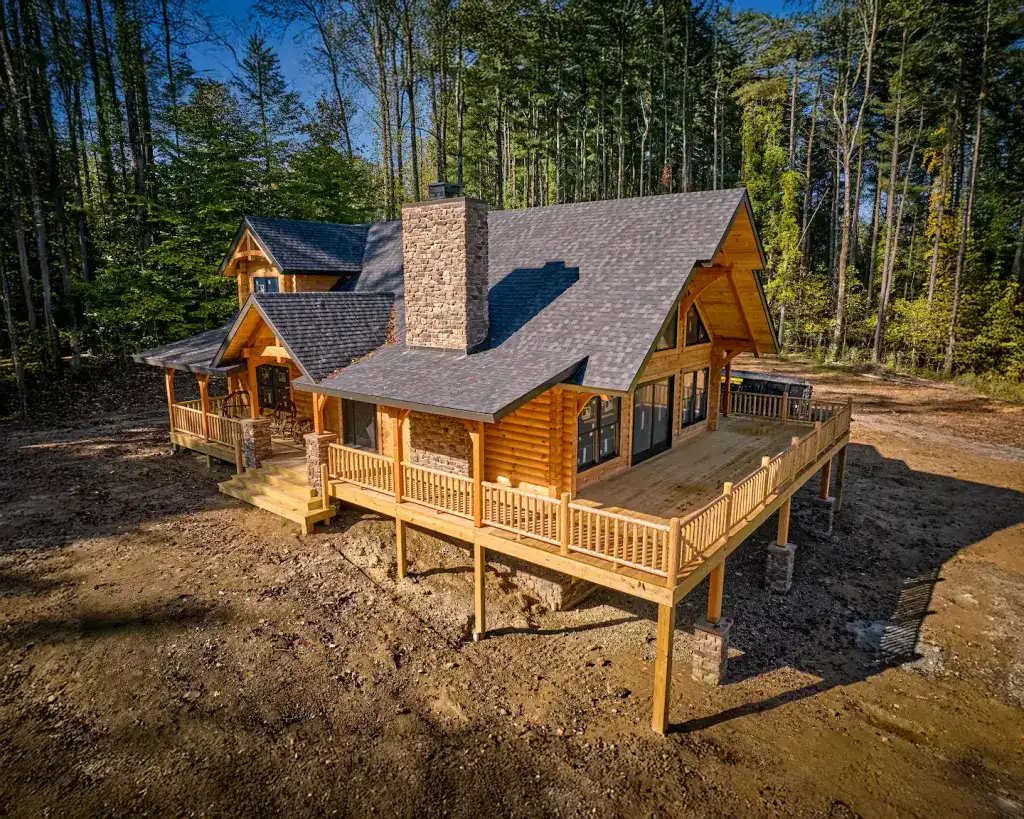
Beautiful log home with large deck surrounded by trees.

Building a Log Home is a Big Step

Having a clear budget gives you confidence when talking with banks, builders, and designers. You’ll know what’s realistic, avoid wasting time, and move forward with a plan you can actually build. A clear budget also gives your designer a target, so they’re not aiming blindfolded. That’s how you avoid over-designing a home you can’t build or under-designing a home you’ll outgrow.

Why Budget First

Regardless if you are going to pay out of pocket or seek financing from a bank, here’s why it’s important to start with a budget.

  • Design alignment: Your budget informs size, finishes, and features (yes, even the front door—$5,000 vs. $10,000 vs. $20,000 makes a real difference).
  • Lifestyle fit: The goal is a beautiful home and a life you can enjoy with vacations and hobbies, without feeling financially stretched. Don’t become house-poor.
  • Faster approvals: When you meet lenders and builders with a clear number, you save everyone time and move forward with confidence.
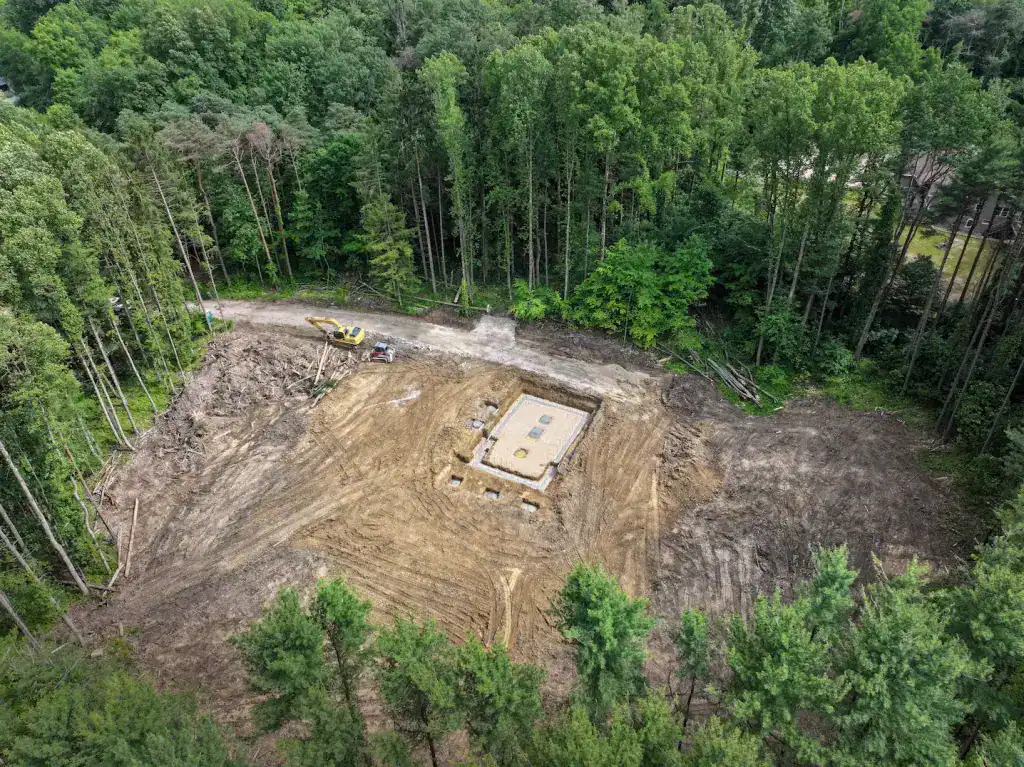
Construction site for a log home foundation in a wooded area.
It starts with a strong foundation. Before long, the log walls be erected like an old-fashioned barn raising.
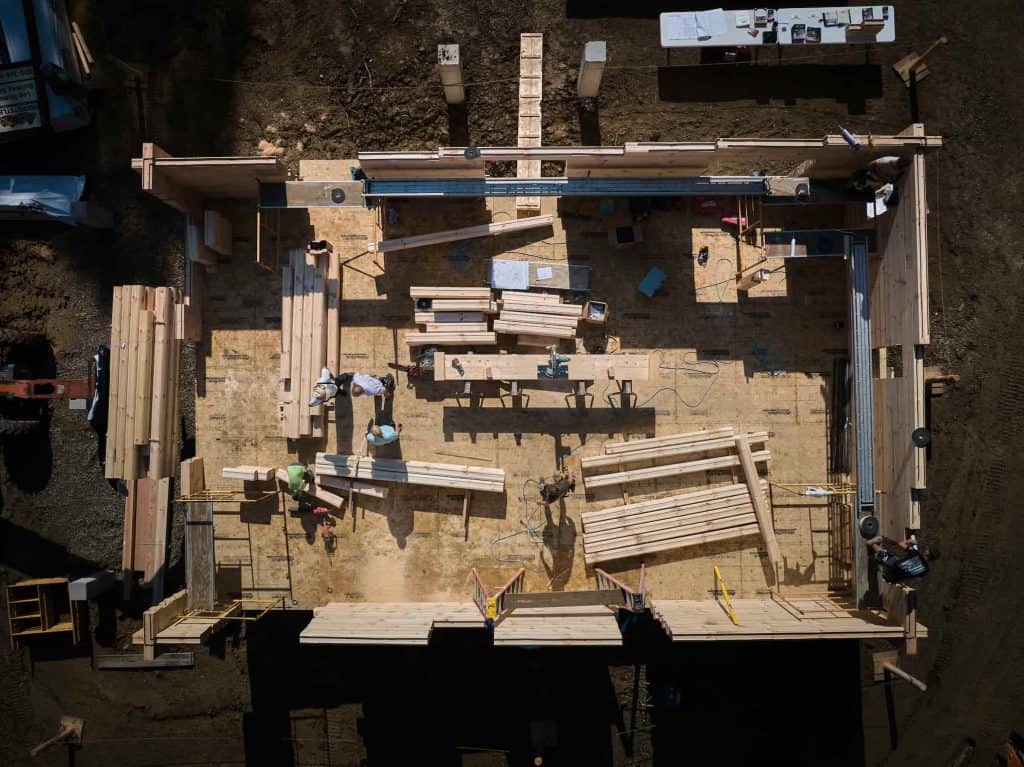
Aerial view of a log home construction site with framing in progress.
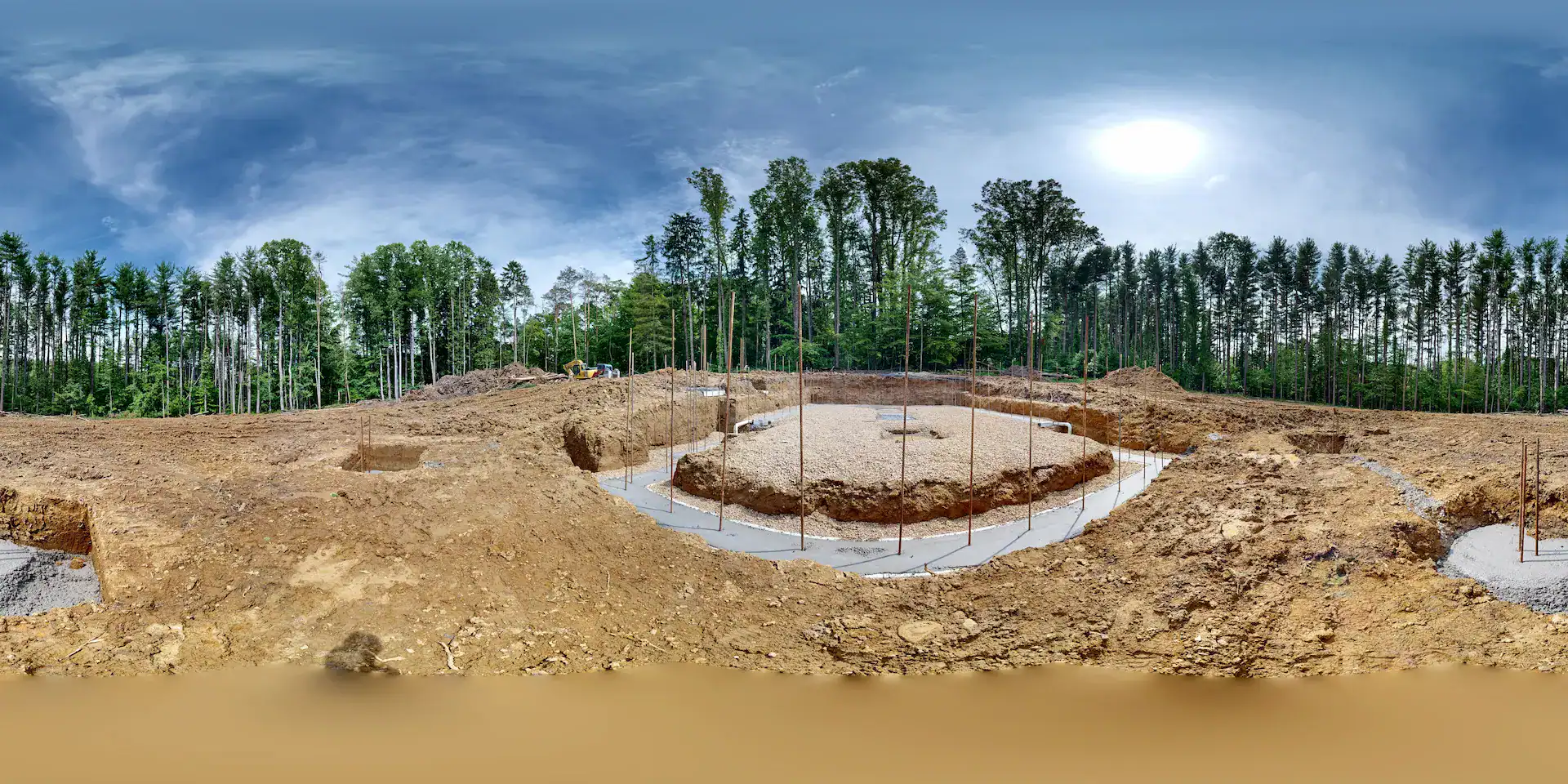
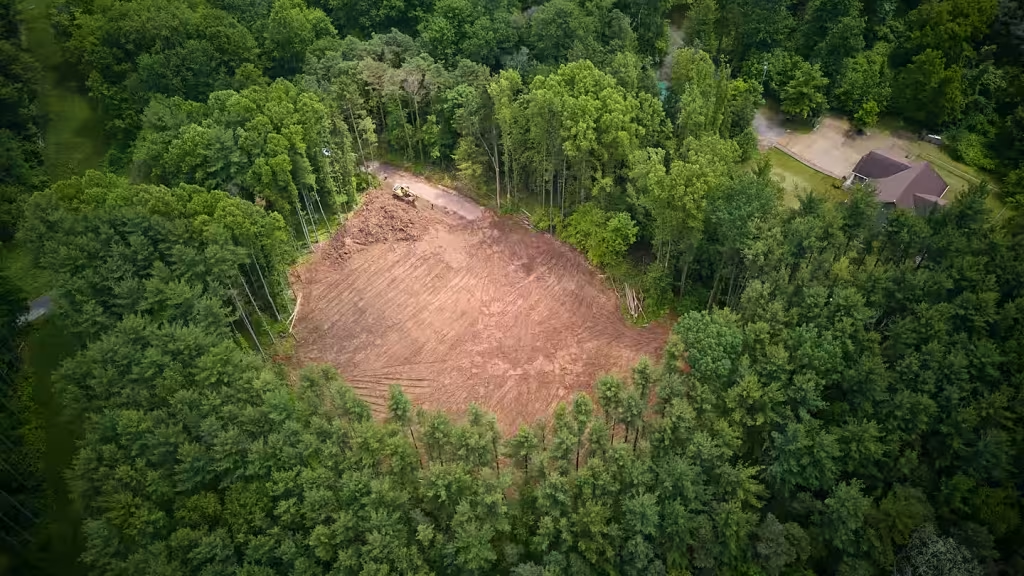
Excavation site for log home foundation with surrounding trees.
360º view of the poured footers and the surrounding lot — click and drag to explore.

How Lenders View “Affordability”

Lenders look at your debt-to-income ratio (DTI)—your total monthly debt payments divided by your gross monthly income. A common underwriting guide is the 28/36 rule: aim for no more than ~28% of gross income on housing costs and ~36% on total debt (housing + all other monthly obligations). That 36% “back-end” number is a good planning guardrail even if a lender might approve more. 

A simple step-by-step example

Let’s use round numbers similar to what we see with many owners:

  1. Combined Income: $150,000 per year gross → ÷12 = $12,500/month
  2. 36% guardrail: $12,500 × 0.36 = $4,500 max for all monthly debts
  3. Existing debts: say $900 (car, student loan, etc.) → $4,500 − $900 = $3,600
  4. Taxes & insurance (estimate): say $400 → $3,600 − $400 = $3,200 available for principal & interest on your construction/permanent loan

Now translate $3,200/month into a loan amount. That depends on interest rate and term:

  • 20-year @ 5.00% → ≈ $485,000 loan
  • 20-year @ 6.875% → ≈ $417,000 loan
  • 30-year @ 6.875% → ≈ $487,000 loan

Use this mortgage calculator to plug in your own numbers.

If you also have $200,000 set aside for a down payment, your project capacity is “loan amount + down payment,” minus an allowance for site costs (septic, well, driveway, utilities). In many rural builds, that site bucket can be significant. Get real numbers early. Typical ranges for septic, wells, driveways, impact/utility fees, and clearing vary widely by location. 

Down payments: owner-builder vs. hired builder

If you’re acting as an owner-builder, expect lenders to be stricter and sometimes require the higher end of that range; some programs may allow less (or more) depending on credit, equity in land, VA/FHA/USDA program rules, and lender policy. ‍

Tip: If you plan to GC your own home, discuss requirements with multiple local lenders and be prepared with detailed plans, specs, bids, and a credible schedule. Lenders will ask for construction drawings, specifications, and written cost estimates to evaluate the loan.


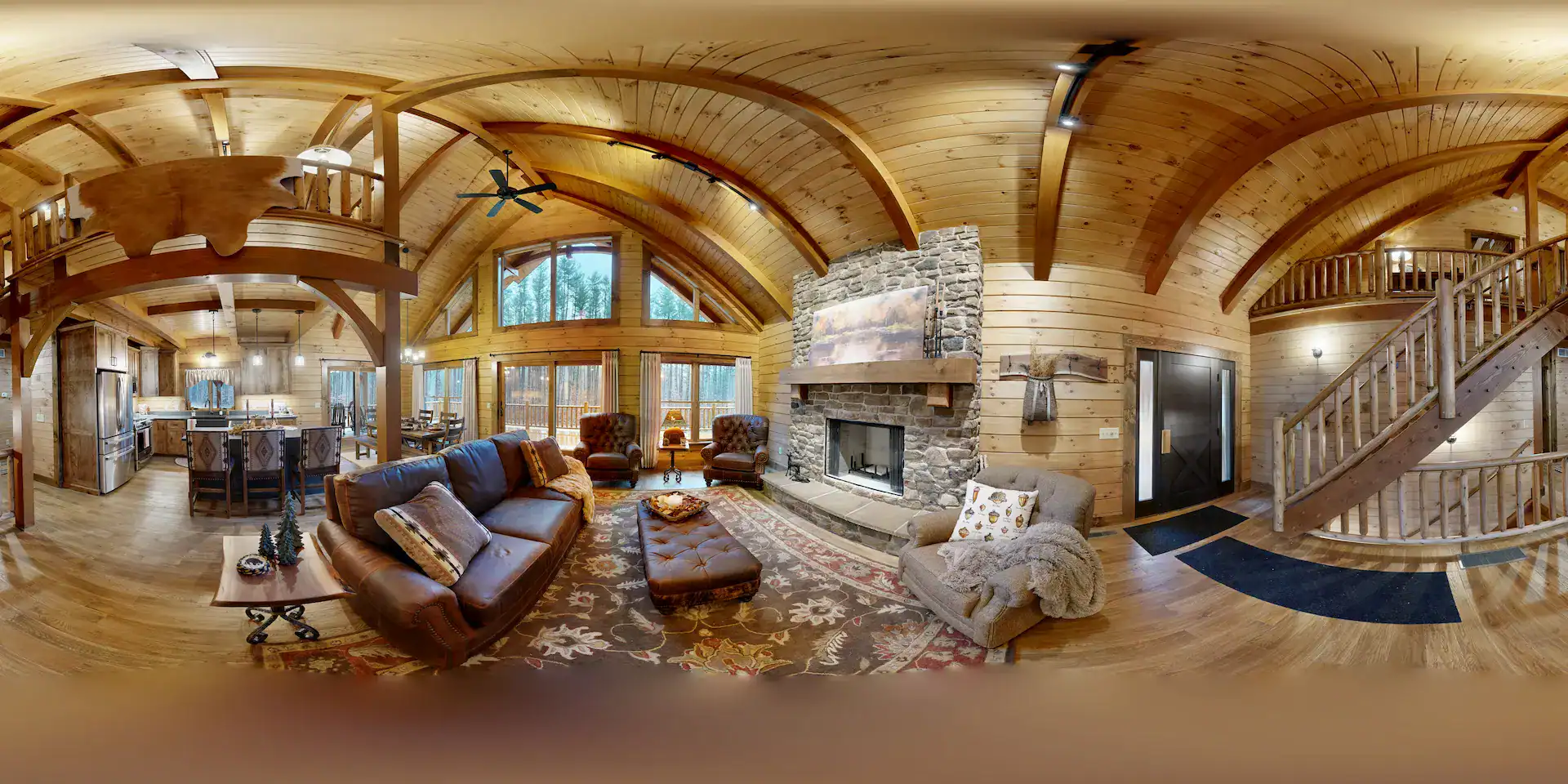
Warm log home living room with large windows and rustic decor.
Log home main living area in 360º. Click and drag to look around.

What Are Average Log Home Costs?

Local banks are normally a good source to get a pulse on what new homes are going for in your area. Ask them what a good, custom-built stick homes are being built for. This should give you some idea of what you should plan for your budget.

This average cost normally cover someone with an average lifestyle and taste. Average meaning a front door might cost $5,000 and custom cabinets around $35,000. There is, however virtually no limit on what you can spend on your home.

Here’s a closer look at typical log home pricing.

Don’t Forget the “Hidden” Buckets

  • Site development: septic, well, driveway, utility runs, tree/stump clearing, grading, erosion control. Price locally.
  • Soft costs: surveying, soils testing, permits, plan reviews, impact fees, temporary power, porta-johns.
  • Contingency: add 5–10% for unknowns; more if your site is complex.

Pre-approval and “log-friendly” lenders

Get pre-approved before you commit to plans or land. This clarifies your cap and strengthens your position. When building with logs, choose a lender familiar with log/timber packages; they’ll ask for a materials contract/bill of materials, construction docs, and a log-appropriate appraisal package. ‍

A quick worksheet you can copy

  1. Annual gross income ÷ 12 = Monthly gross
  2. Monthly gross × 0.36 = DTI guardrail (total debts)
  3. Subtract current monthly debts (long-term loans, car payments, etc.)
  4. Subtract real estate taxes + insurance estimate (ask your agent)
  5. Result = Max monthly principal & interest
  6. Price out scenarios (20- vs. 30-year; rate range) to find a conservative loan amount
  7. Loan + down payment − site/soft cost allowance = target build budget
  8. Check plan size using a local $/sq-ft range, then verify with builder bids

See a Log Home Come to Life

Follow the construction of the Hochstetler Log Home from the first log to the final finish in our step-by-step photo story.

‍